


Guardians of the Vegetable Garden
How beneficial insects silently defend your crops and ensure a thriving, chemical free harvest
When most gardeners think of insects, the first thought that comes to mind is destruction in the form of chewed leaves, stunted growth or ruined fruits. But in the balanced world of sustainable farming, not all insects are foes. Some are silent sentinels, working tirelessly to guard your vegetable patch against pests. These beneficial insects are nature’s tiny warriors which form the foundation of a healthy, chemical free ecosystem. Let’s explore the guardians of the vegetable garden that every sustainable farmer should welcome.
1. Ladybug – The Aphid Assassin
Recognizable by their red shells dotted with black spots, ladybugs are the darlings of the organic garden. Beyond their charming looks, they are voracious predators of aphids, mealybugs and mites. A single ladybug can consume hundreds of aphids a day, protecting tender vegetable leaves and new shoots. Encouraging ladybugs by planting dill, fennel or marigold ensures natural pest regulation without a drop of pesticide.
2. Syrphid Fly (Syrphe) – The Hovering Guardian
Often mistaken for wasps due to their yellow and black stripes, syrphid flies are harmless to humans and immensely helpful to plants. Their larvae feast on soft-bodied pests like aphids, thrips and whiteflies, while adults serve as efficient pollinators. Syrphid flies bridge the worlds of pest control and pollination both critical to sustainable crop productivity.
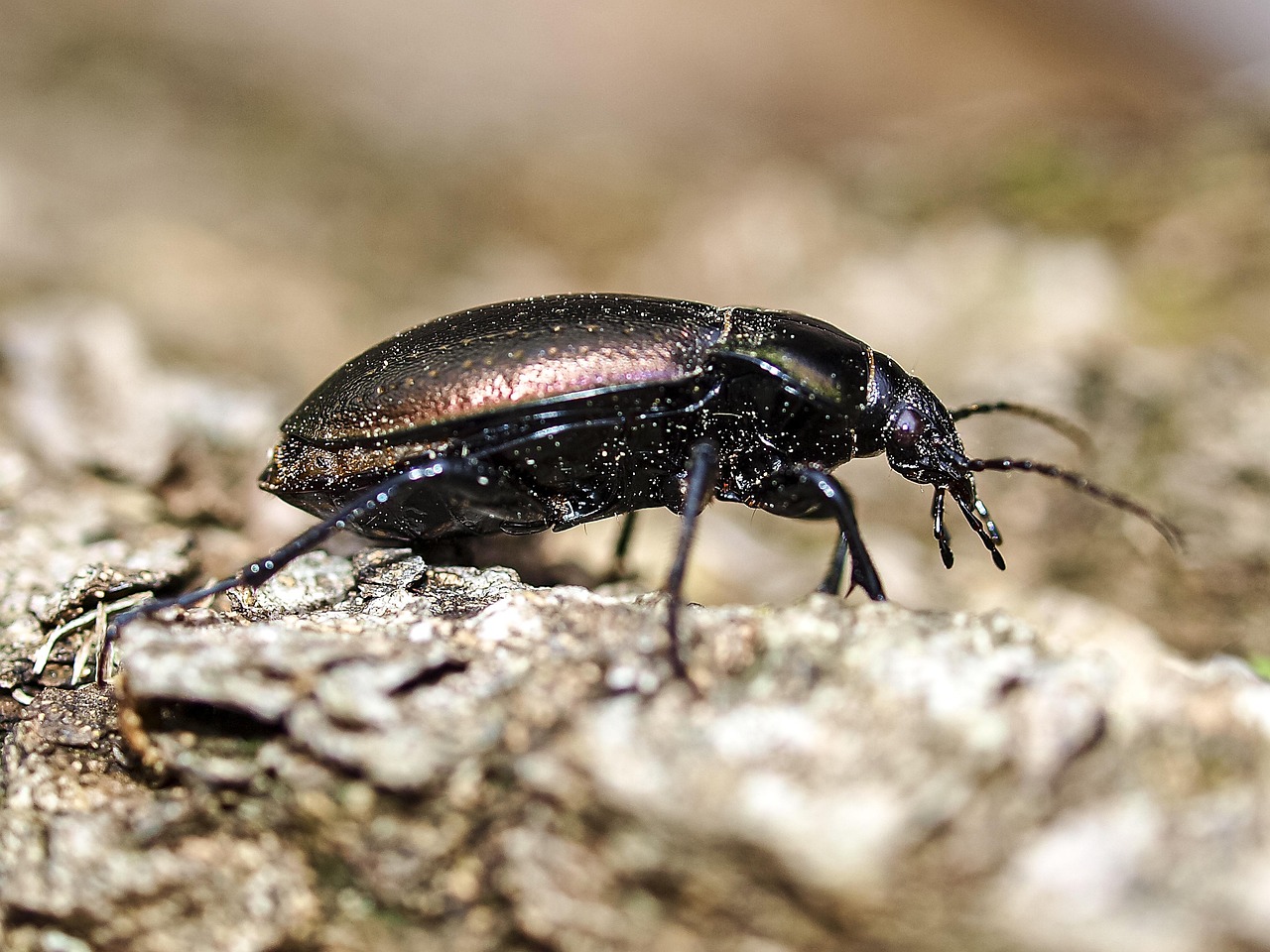
3. Ground Beetle (Carabe) – The Nighttime Predator
Ground beetles are nocturnal hunters that patrol the soil surface, devouring caterpillars, slugs, root maggots and weed seeds. Their presence ensures a clean, pest-free soil ecosystem. By leaving some mulch and stones undisturbed, farmers create perfect shelters for these beetles to thrive, turning the soil itself into a fortress of protection.
4. Green Lacewing (Chrysopa) – The Delicate Destroyer
With their gossamer wings and gentle appearance, lacewings might look fragile, but their larvae are formidable predators. Known as “aphid lions,” they target aphids, spider mites and whitefly larvae. Lacewings flourish in gardens rich with nectar and pollen planting sunflowers, cosmos and coriander invites them naturally.
5. Rove Beetle (Staphylin) – The Soil Sanitizer
Slender and agile, rove beetles play an indispensable role in decomposing organic matter while preying on harmful soil pests like fungus gnats, root maggots and nematodes. Their dual role in pest control and nutrient recycling makes them a cornerstone of soil health in sustainable farming.
6. Ichneumon Wasp – The Parasite Protector
Though their long, needle-like ovipositors may appear intimidating, ichneumon wasps are invaluable allies. They lay their eggs inside pest larvae such as caterpillars and grubs, effectively neutralizing them before they mature. This natural pest regulation system keeps populations in check without harming beneficial insects or plants.
7. Earwig (Forficula) – The Nocturnal Cleaner
Earwigs often get a bad reputation, but they are essential scavengers and pest controllers. They feed on aphids, mites, and decaying matter, balancing the ecosystem after dusk. A small population of earwigs in your vegetable garden is a sign of a living, breathing, self-regulating microhabitat.
The Harmony of Balance
A sustainable garden thrives not through eradication, but through equilibrium. By attracting and protecting these beneficial insects, farmers reduce dependency on chemical pesticides, improve pollination and build resilient ecosystems that can withstand pest outbreaks naturally. Practices like companion planting, maintaining flowering borders, avoiding chemical sprays and providing small habitats such as mulch, leaf litter and insect hotels can transform an ordinary farm into a thriving ecological haven.
Nature already provides the best defense, our role is to recognize, respect and nurture it.
#BeneficialInsects #SustainableFarming #OrganicGardening #NaturalPestControl #SoilHealth #ChemicalFreeFarming #BiodiversityInFarming #EcoFriendlyAgriculture #PollinatorProtection #HealthySoilHealthyFood