


How Soil Acidity and Alkalinity Shape Sustainable Farming Success
Understanding Soil pH to Enhance Crop Health, Boost Yields and Build Resilient Agro-Ecosystems
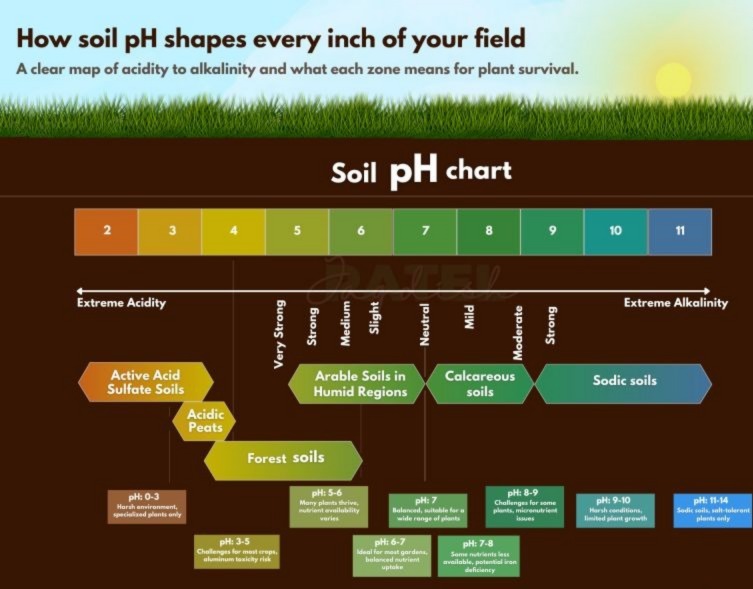
Soil is more than dirt, it’s a living system that determines whether a field thrives or merely survives. At the heart of soil health lies one fundamental property: pH. By mastering soil pH, farmers can unlock nutrient availability, strengthen plant resilience and make sustainable farming practices truly productive.
Introduction: Soil pH — The Silent Architect of Field Health
Soil pH measures how acidic or alkaline your soil is on a scale from 0 to 14. Values below 7 are acidic, 7 is neutral, and above 7 is alkaline. While this might seem like a simple number, its implications are profound: pH governs nutrient availability, microbial activity, root development, and overall plant health.
For sustainable farmers, understanding and managing soil pH is not an optional extra, it’s an essential strategy to reduce dependency on chemical fertilizers, enhance biological activity and build long-term soil resilience.
Why Soil pH Matters for Sustainable Farming
Nutrition and Nutrient Cycling
At very low pH (strongly acidic), many essential nutrients such as nitrogen, phosphorus, potassium, calcium, and magnesium become less available, while toxic elements like aluminum and manganese can reach harmful concentrations. When soil is strongly alkaline, micronutrients like iron, zinc, and manganese tie up in unavailable forms. This means plants struggle to access what they need, even if those nutrients are present.
Soil Biology and Organic Matter Dynamics
Microbial communities crucial to breaking down organic matter and cycling nutrients are most active in near-neutral pH ranges. Acidic or highly alkaline conditions suppress beneficial fungi and bacteria, reducing decomposition rates and slowing nutrient release. For regenerative systems that rely on composts, cover crops and biological amendments, maintaining balanced pH boosts the soil’s natural fertility.
Root Growth and Moisture Utilization
Extremes of pH can stunt root development and limit water uptake. Plants with poorly formed root systems are less drought tolerant, less nutrient efficient and more susceptible to stress. Balanced pH supports vigorous root growth and improves efficiency in water use key goals in climates with variable rainfall.
pH Zones in the Field : What They Mean Practically
Strongly Acidic Soils (pH 3–5):
Soils in this range are typical of heavily leached or organic peat soils. The acidity can severely limit crop choices, especially for nutrient-demanding crops. For sustainable management, incorporating liming materials (e.g., agricultural lime, ground limestone) over time helps raise pH gradually. Integrating organic matter via composts and green manures also enhances pH buffering and supports beneficial soil biology.
Moderately Acidic Soils (pH 5–6):
Many forest soils and older agricultural lands fall here. Some nutrients like phosphorus become less available, requiring careful amendment planning. Growing acid-tolerant cover crops such as clovers or vetches while slowly adjusting pH with liming can improve soil structure and biology without rapid swings that upset soil ecosystems.
Slightly Acidic to Neutral Soils (pH 6–7):
This is often the “sweet spot” for many crops including vegetables, grains, and legumes. Nutrients are broadly available, and microbial activity is vibrant. Sustainable systems thrive here with minimal corrective inputs. Crop rotations, organic amendments, and regular soil testing help maintain this balanced state.
Slightly Alkaline Soils (pH 7–8):
Common in arid and semi-arid regions, these soils can restrict micronutrient availability. Sustainable practices focus on organic matter incorporation, use of acidifying composts (like those incorporating pine needles or sulfur-based amendments), and careful selection of crop varieties adapted to these conditions.
Strongly Alkaline Soils (pH 8–11+):
High pH environments often associated with sodic soils pose major challenges for plant growth. Calcium and magnesium imbalances, poor soil structure and low nutrient availability reduce productivity. Reclamation strategies include gypsum application to displace sodium, increasing organic matter to improve structure, and selecting salt-tolerant crop species where appropriate.
Practical Steps for pH-Smart Sustainable Farming
1. Regular Soil Testing:
A single pH measurement provides a snapshot. Seasonal testing reveals trends, helping farmers make informed decisions about amendments, crop choices and rotational planning.
2. Use of Organic Amendments:
Composts, green manures, and biochar improve soil buffering capacity the ability of soil to resist pH swings. These materials enhance soil structure and biological function, making pH management more sustainable.
3. Liming and Acidifying Agents (As Appropriate):
When adjusting pH, gradual applications are best. Large, abrupt shifts can disrupt soil microbial communities. Materials such as agricultural lime raise pH, while elemental sulfur or organic acid-producing amendments help lower pH in alkaline soils.
4. Crop Rotation and Cover Crops:
Different plants influence soil chemistry differently. Including legumes and deep-rooted cover crops can help cycle nutrients and stabilize pH over time.
5. Balanced Fertility Programs:
Instead of over-reliance on high-analysis chemical fertilizers that can alter soil pH, sustainable systems prioritize nutrient cycling and slow-release organic inputs. This protects pH and supports long-term soil health.
Real-World Benefits of Managing Soil pH
Farmers who manage pH effectively report improved crop uniformity, reduced input costs, stronger root systems, and enhanced biological activity. Balanced soil pH supports resilient ecosystems, increases carbon sequestration potential, and reduces nutrient runoff all core values of sustainable agriculture.
Soil pH as a Foundation for Regenerative Success
Soil pH is not a technical detail to be overlooked. It is a foundational indicator of soil function that influences every biological and chemical process beneath your crops. For farmers aiming for sustainability, resilience, and productivity, understanding and managing soil pH translates into healthier soils, robust crops, and long-term profitability.
#SoilHealth #SoilpH #SustainableFarming #RegenerativeAgriculture #SoilTesting #OrganicAmendments #CropNutrition #FieldManagement #Agroecology #FarmProductivity #ClimateSmartFarming #SoilBiology #BalancedFertility #CropResilience #EcoFriendlyFarming