


The Foundation Beneath the Harvest
Why the Physical Properties of Soil Decide the Success or Failure of Your Crop
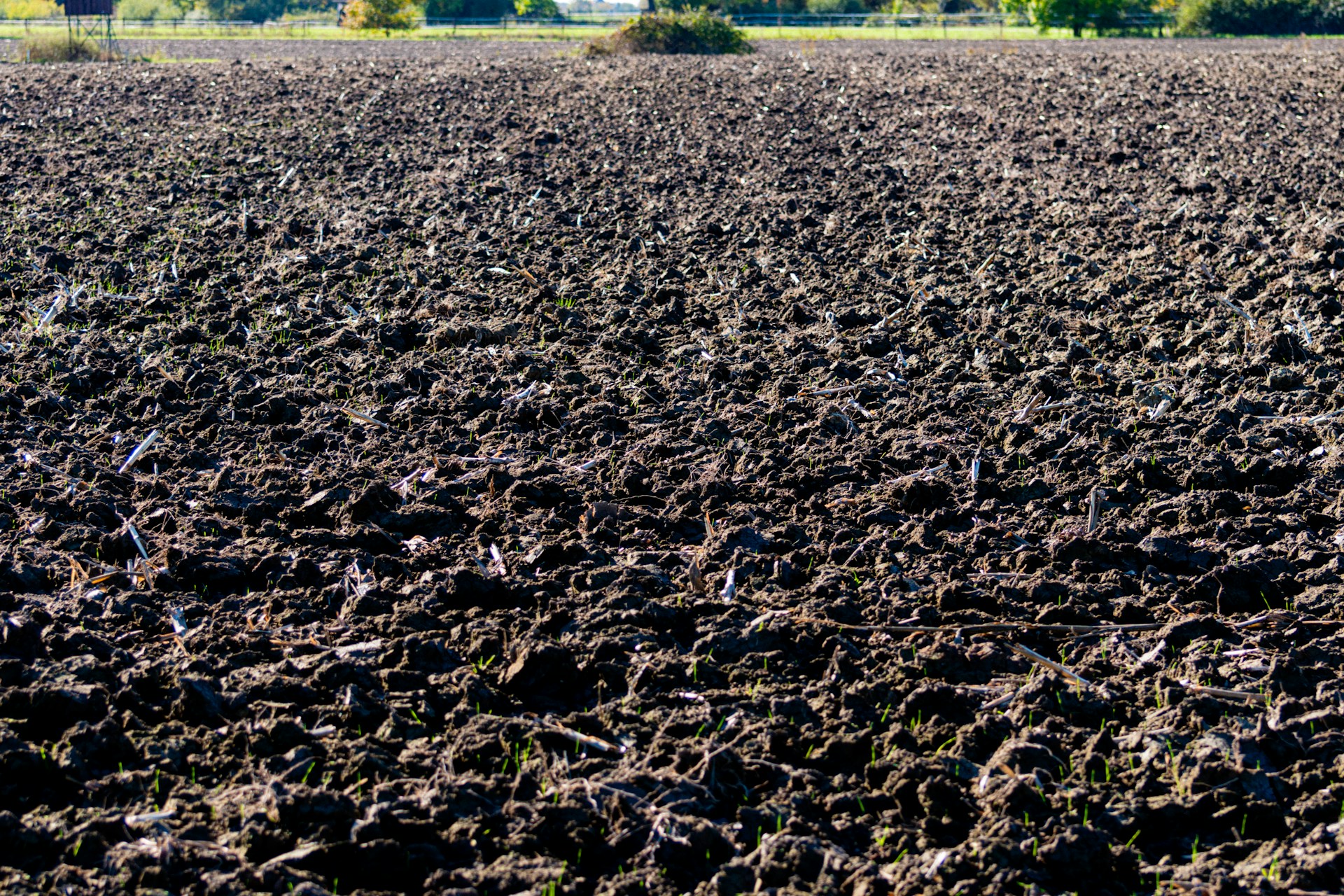
Before seeds germinate, before nutrients are absorbed and long before harvest, there is one silent factor that determines crop performance, the physical condition of the soil. Farmers often focus on fertilizers and pest management, yet the structure, texture, and water behavior of soil quietly control root growth, moisture availability and ultimately yield. If the soil’s physical framework is weak, no amount of input correction can fully compensate.
This article explores the practical importance of physical soil properties in crop production and explains how farmers can optimize them for stronger roots, efficient water use and higher productivity.
Understanding Soil Texture: The Soil’s Basic Blueprint
Soil texture refers to the proportion of sand, silt and clay particles. It is the most fundamental physical property because it determines how soil handles water, air and roots.
Sandy soils contain larger particles. They drain quickly, warm faster and are easy to cultivate. However, they struggle to retain water and nutrients. Clay soils, on the other hand, hold water and nutrients effectively but may suffer from poor drainage and compaction. Loamy soils, a balanced mixture of sand, silt and clay, are considered ideal because they combine moisture retention with good aeration.
For crop production, texture influences irrigation frequency, root penetration depth and fertilizer management. Farmers working on sandy soils must irrigate more frequently in smaller doses, while clay soils require careful drainage management to prevent waterlogging.
Texture cannot be easily changed, but management practices can improve how a given soil texture performs.
Soil Structure: The Architecture of Productivity
While texture is about particle size, soil structure refers to how those particles are arranged into aggregates. Good soil structure forms stable crumb-like aggregates that create pore spaces for air and water movement.
When soil structure is healthy:
-
Roots penetrate deeper and spread efficiently.
-
Water infiltrates rather than runs off.
-
Oxygen reaches the root zone.
-
Microbial life thrives within aggregates.
Poor structure results in crusting, compaction, runoff and restricted root growth. This directly reduces nutrient uptake and yield potential.
Heavy machinery traffic, repeated ploughing at the same depth and low organic matter destroy soil structure. Incorporating organic matter such as compost, crop residues or bio-based inputs strengthens aggregation and improves structural stability.
In practical terms, a farmer can test structure by squeezing moist soil in hand. If it forms a firm but crumbly ball that breaks easily, the structure is favorable. If it forms a hard lump or powdery mass, improvement is needed.
Soil Porosity: The Balance Between Air and Water
Porosity refers to the amount of pore space within soil. These pores are essential for storing water and allowing oxygen diffusion to plant roots.
There are two types of pores:
-
Macropores, which allow rapid drainage and air movement.
-
Micropores, which store water for plant use.
An ideal agricultural soil maintains a balance between these two. Too many macropores (common in sandy soils) lead to drought stress. Too many micropores (common in compacted clay soils) lead to poor aeration and root suffocation.
Maintaining porosity requires reducing compaction and increasing organic matter. Deep-rooted crops, cover cropping and biological soil amendments contribute to better pore continuity.
Water Holding Capacity: Sustaining Crops Between Irrigations
Water holding capacity determines how much moisture soil can store and supply to plants between irrigation cycles or rainfall events.
This property is critical in regions facing irregular rainfall or limited irrigation availability. Soil that retains adequate moisture reduces plant stress, stabilizes growth, and supports nutrient absorption.
Clay soils naturally hold more water, but without proper structure they may not release it efficiently to plants. Sandy soils release water quickly but struggle to retain enough for sustained growth.
To enhance water holding capacity:
-
Incorporate organic matter regularly.
-
Avoid excessive tillage.
-
Maintain mulch cover to reduce evaporation.
-
Improve aggregate stability through biological inputs.
Farmers who optimize water retention often reduce irrigation frequency, lower energy costs and improve crop resilience during dry spells.
Soil Temperature: The Invisible Growth Regulator
Soil temperature influences seed germination, root development, microbial activity and nutrient uptake.
Cold soils delay germination and reduce early growth vigor. Extremely hot soils increase moisture loss and stress roots. Physical properties such as texture, color, moisture content and surface cover directly affect temperature behavior.
Sandy soils warm quickly in spring, making them suitable for early sowing. Clay soils warm slowly but retain temperature longer. Mulching regulates temperature fluctuations, protecting roots from extreme heat.
Understanding soil temperature dynamics helps farmers plan sowing time, irrigation scheduling and crop selection more effectively.
Soil Compaction: The Hidden Yield Limiter
Compaction occurs when soil particles are pressed tightly together, reducing pore space. It restricts root growth, limits oxygen availability and reduces water infiltration.
Common causes include heavy machinery, working soil when wet and repeated shallow tillage.
Signs of compaction include:
-
Stunted plant growth
-
Surface water stagnation
-
Hardpan layers below plough depth
-
Poor root penetration
Remedies include controlled traffic farming, deep ripping where necessary, adding organic matter and growing deep-rooted crops that naturally break compact layers.
Ignoring compaction can reduce yield significantly even when fertilization and irrigation are adequate.
Practical Strategies to Improve Physical Soil Health
Improving physical properties is not a one-time intervention but a continuous management practice. Effective strategies include:
-
Regular incorporation of organic residues.
-
Minimal and strategic tillage.
-
Use of cover crops to protect soil surface.
-
Maintaining crop diversity.
-
Avoiding field operations when soil is excessively wet.
-
Integrating biological soil enhancers that promote aggregation.
Farmers who prioritize soil physical health often notice stronger root systems, improved water efficiency, reduced input wastage and consistent yield performance across seasons.
Why Physical Properties Come First
Chemical-free nutrients and biological life depend on physical conditions. Without adequate pore space, roots cannot access nutrients. Without stable structure, fertilizers may leach or runoff. Without proper water retention, plant metabolism slows down.
Physical properties create the environment in which all other soil processes operate. In crop production, they are not secondary considerations, they are foundational.
Investing time and effort into maintaining optimal soil texture performance, structure stability, porosity balance, moisture retention and compaction control is one of the most cost-effective long-term strategies in agriculture.
Healthy soil is not just fertile soil. It is physically functional soil.
#SoilHealth #PhysicalSoilProperties #SoilStructure #SoilTexture #WaterHoldingCapacity #SoilManagement #SustainableFarming #CropProductivity #HealthyRoots #SoilPorosity #AgriScience #FarmManagement