

When Soil Works in Harmony
How Balanced Soil Properties Unlock Maximum Crop Potential and Long-Term Farm Sustainability
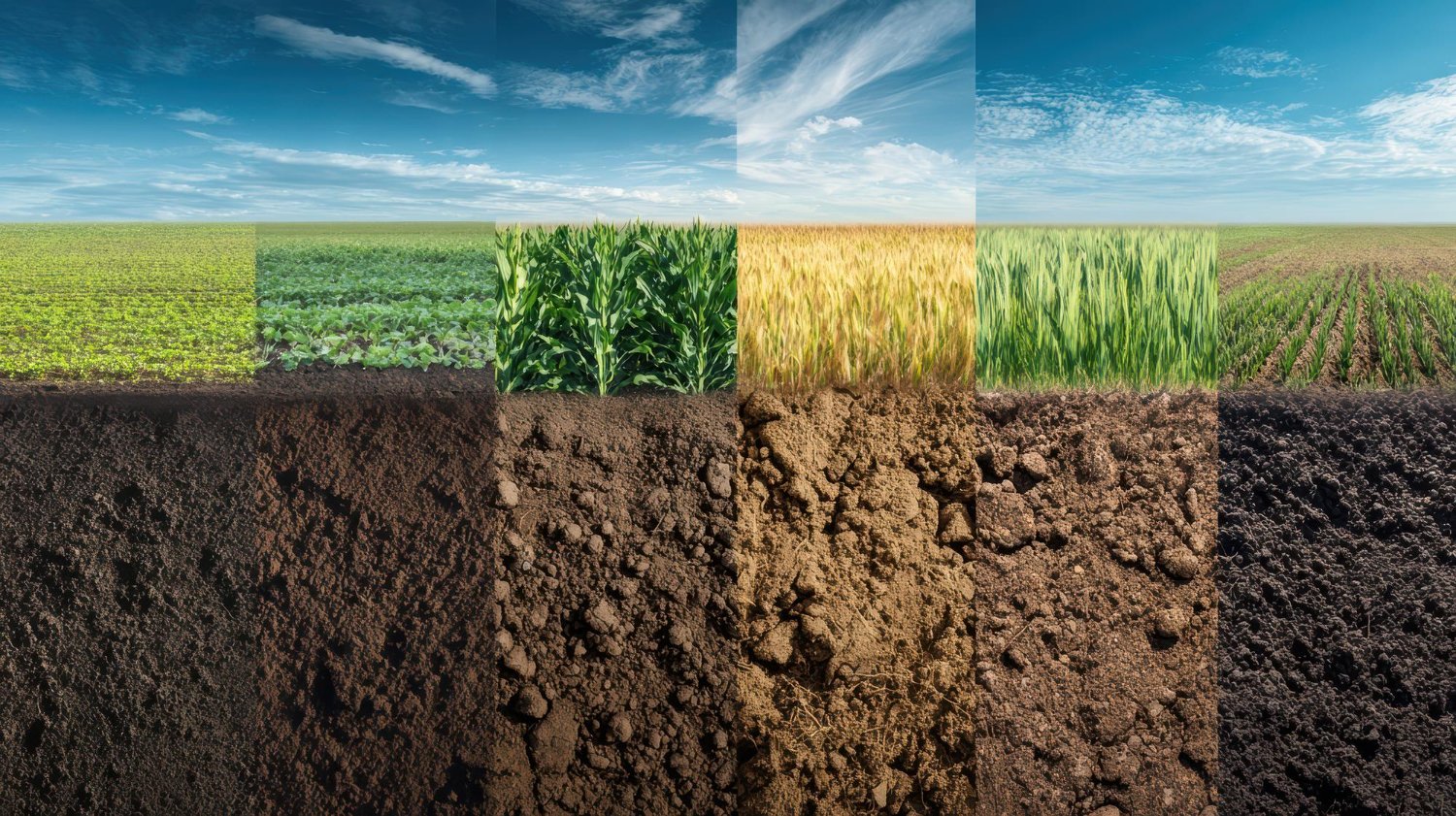
Every successful harvest begins long before seeds are sown. It begins in the soil not just as a medium, but as a perfectly balanced system where physical structure, chemical composition and biological activity function in complete harmony. When these three dimensions of soil health are aligned, the result is not incremental improvement, but a transformational leap in crop performance.
Farmers often address soil problems in isolation adding fertilizers for nutrient deficiencies, improving irrigation for water stress, or applying inputs for pest control. However, the real breakthrough happens when soil properties are balanced as an integrated system. This balance creates the ideal environment for roots, nutrients, water, and microbial life to interact efficiently.
This article explores what happens when soil properties are balanced and why it is the most powerful driver of agricultural productivity.
The Foundation of Strong Crops
Balanced soil creates the perfect environment for root development. When physical properties ensure proper structure and porosity, roots can penetrate deeply and spread widely. Chemical balance ensures nutrients are readily available, while biological activity supports root growth through symbiotic interactions.
Strong root systems anchor plants firmly, improve nutrient uptake, and enhance resilience against drought and stress. Crops with well-developed roots are more vigorous, more stable, and better equipped to utilize available resources efficiently.
In contrast, imbalanced soils restrict root growth, limiting the plant’s ability to access water and nutrients regardless of how much is applied externally.
Efficiency Over Excess
When soil chemistry is balanced and supported by active biology, nutrients are not just present they are available in the right form, at the right time, and in the right quantity.
Balanced soil prevents nutrient lock-up, minimizes losses through leaching, and ensures efficient nutrient cycling. Microorganisms continuously convert organic matter into plant-available forms, while proper pH and cation exchange capacity maintain nutrient stability.
This results in higher nutrient use efficiency, where crops achieve better growth with lower input costs. Instead of relying on excessive fertilization, farmers benefit from a system that naturally optimizes nutrient availability.
Maximizing Every Drop
Water management becomes significantly more effective in balanced soils. Good physical structure allows water to infiltrate easily, while adequate porosity ensures both retention and drainage.
Organic matter and biological activity improve the soil’s ability to hold moisture, making it available to plants over extended periods. At the same time, excess water drains efficiently, preventing waterlogging and root damage.
This balance reduces irrigation frequency, conserves water resources, and protects crops from both drought stress and excess moisture conditions. Efficient water use is not just an advantage it is becoming a necessity in modern agriculture.
A Naturally Protected Crop
Balanced soil properties create an environment where plants are inherently more resistant to diseases. Healthy soil biology plays a critical role by suppressing harmful pathogens and promoting beneficial microbial populations.
At the same time, balanced nutrition strengthens plant tissues and improves their natural defense mechanisms. Crops grown in such conditions are less susceptible to infections and recover more quickly from stress.
This reduces dependency on chemical pesticides and contributes to safer, more sustainable farming practices.
The Outcome of System Efficiency
When all soil properties work together, the cumulative effect is a significant increase in crop productivity. Balanced soil supports consistent growth from germination to harvest, minimizing stress at every stage of the crop cycle.
Plants receive adequate nutrients, maintain optimal hydration, and develop strong root systems. This leads to better flowering, improved fruit or grain development, and ultimately higher yields.
Importantly, these yield improvements are not short-term gains. They are sustainable and repeatable because they are built on a stable soil system.
Productivity for Generations
One of the most important outcomes of balanced soil properties is long-term sustainability. Unlike approaches that rely heavily on external inputs, balanced soil management builds internal resilience within the soil ecosystem.
Organic matter levels are maintained or improved, biological diversity is preserved, and soil structure remains stable. This ensures that soil continues to support productive agriculture year after year without degradation.
Sustainable soil health also reduces environmental impact by minimizing chemical runoff, conserving water, and enhancing carbon sequestration.
Managing Soil as a System
Achieving balanced soil properties requires a shift in perspective from treating individual problems to managing soil as an interconnected system.
Farmers can adopt several integrated practices:
- Regular addition of organic matter to support both structure and biology
- Balanced nutrient management based on soil testing
- Reduced soil disturbance to protect structure and microbial life
- Crop rotation and diversification to enhance biological activity
- Efficient irrigation practices to maintain moisture balance
When these practices are combined, they create a self-reinforcing system where improvements in one area support gains in others.
Why Balance Matters More Than Individual Inputs
Modern agriculture often emphasizes inputs fertilizers, pesticides, and irrigation technologies. While these tools are important, they cannot replace the benefits of a well-balanced soil system.
Balanced soil reduces dependency on external inputs by improving natural efficiency. It ensures that every input used delivers maximum benefit, minimizing waste and cost.
More importantly, it transforms soil from a passive medium into an active partner in crop production.
The True Measure of Soil Health
The ultimate indicator of soil health is not just yield, but consistency, resilience, and sustainability. Balanced soil properties deliver all three.
Crops perform reliably across varying conditions. Farms become less vulnerable to climate variability. Input costs decrease while profitability improves. And most importantly, the soil itself becomes stronger with each growing season.
Balanced soil is not an end goal, it is an ongoing process of maintaining harmony within the soil ecosystem.
#BalancedSoil #SoilHealth #SustainableFarming #CropProductivity #HealthyRoots #EfficientWaterUse #NutrientManagement #SoilBiology #AgriInnovation #NaturalFarming #FarmSustainability #HealthyHarvest